
Luxosy Interior Bangalore

Author name: admin

Blog

Natural vs. Engineered Materials: Finding the Perfect Fit for Your Bangalore Home

Choosing the right materials for your interiors is the absolute bedrock of crafting spaces that exude both elegance and practicality. As a homeowner looking to elevate your living experience in Bangalore, you want a space that not only reflects your unique personality but also withstands the test of time and flawlessly accommodates your daily lifestyle. At Luxosy Interior Bangalore, we often find our clients torn when they first visit our design studio. You walk in, ready to bring your dream home to life, but suddenly encounter terms like ‘solid hardwood’, ‘engineered quartz’, ‘veneer’, and ‘laminate’. Instantly, the exciting process of designing your home begins to feel like preparing for an advanced materials science exam. In almost every interior design project, the classic battle eventually comes down to Natural vs. Engineered Materials. On one side, Mother Nature offers her exquisite, one-of-a-kind, slightly imperfect beauty. On the other side, human ingenuity brings unparalleled durability, consistency, and resilience to the forefront. But which one is the ultimate winner for your luxury home? Understanding this distinction is not just about aesthetics; it is a vital functional choice. Mistaking a natural material for an engineered one can lead to tragic and expensive mishaps—like placing a hot pan on a surface that scorches rather than handles the heat, or using a porous stone in a spill-prone area. The difference dictates your home’s maintenance levels, longevity, and overall vibe. Let’s carve out the truth and see which contender deserves the spotlight in your living room. The Elegant Divas: Natural Materials Let’s start with the originals. Natural materials are exactly what they sound like—elements sourced directly from the earth, minimally refined, and placed into your home. We are talking about solid teak wood, luxurious Italian marble, rich granite, pure leather, and organic wool. The true luxury of natural materials lies in their beautiful imperfections. No two slabs of marble share the exact same veining; no two planks of walnut feature identical grain patterns. When you choose natural materials, you are investing in a piece of history and bringing the concept of ‘wabi-sabi’ (the profound beauty of imperfection) into your home. They lend an organic, warm, and timeless aesthetic to any room, offering a tactile and sensory experience that is incredibly hard to replicate. However, natural materials are the “divas” of the interior design world. They demand your attention, respect, and constant care. They react to their environment—wood expands and contracts with Bangalore’s shifting monsoon humidity, and porous marble can easily stain if exposed to turmeric, oil, or red wine. While they can literally last for centuries if meticulously cared for, they require regular sealing, polishing, and TLC to maintain their pristine, luxurious look. The Dependable Workhorses: Engineered Materials Enter the modern challengers. Engineered materials are artificial or composite products meticulously designed to improve upon nature’s inherent flaws. Historically, designers looked at solid wood and loved its warmth but hated its tendency to warp. They admired natural stone but despised how easily it stained. Engineered materials like plywood, MDF (Medium Density Fiberboard), quartz countertops, and porcelain tiles were created to solve these exact problems. Made by binding natural particles with resins, adhesives, and other binders under extreme high pressure, these materials are cooked up in high-tech factories to be stronger, straighter, and immensely more predictable than their wild counterparts. These are the “workhorses” of your home. Engineered materials offer consistent, uniform, and sleek surfaces. Modern manufacturing has advanced to such a degree that these materials can flawlessly mimic the look and texture of natural wood or stone. If you have toddlers, pets, or a bustling, clumsy household, engineered materials are usually the safer, hassle-free bet that still looks like a million bucks. The Head-to-Head Comparison When weighing natural vs. engineered materials, it helps to see how they stack up against each other across key factors: Where to Use What? A Room-by-Room Guide At Luxosy Interior Bangalore, we firmly believe the suitability of a material depends entirely on the room’s function. Let’s break it down: 1. The Kitchen: This is where the hottest debate occurs. Natural granite is highly heat-resistant but porous, requiring regular sealing. Engineered quartz, however, is non-porous, resists stubborn stains from rich Indian spices, and requires zero maintenance. For busy families who love to cook, quartz is often the reigning champion. 2. Flooring: Solid hardwood flooring is the ultimate luxury dream for many, but engineered wood—which features a top layer of real wood bonded over stable cross-layered plywood—handles humidity fluctuations much better. Given Bangalore’s dynamic climate, engineered wood or high-quality porcelain tiles are practical, long-lasting choices. 3. The Bathroom: Water is the mortal enemy of natural wood. For bathroom vanities and wet areas, engineered materials like marine-grade plywood, acrylic finishes, and large-format porcelain tiles are your best friends, offering waterproof durability without sacrificing an ounce of style. Sustainability and the Budget Equation You might assume that natural materials are always more eco-friendly. However, chopping down rare timber from rainforests isn’t doing the global environment any favors. While natural materials are renewable (if responsibly sourced) and biodegradable, extracting and transporting heavy slabs is heavily resource-intensive. On the flip side, engineered materials frequently utilize waste products—like wood chips for MDF or recycled stone dust for quartz. While this is fantastic for reducing landfill waste, it’s essential to look for low-VOC (Volatile Organic Compounds) certifications, as the resins and glues used can emit chemicals. If sustainability is your priority, the experts at Luxosy Interior Bangalore can guide you toward responsibly sourced natural woods or highly recycled engineered composites. Budget-wise, natural materials cost more due to their exclusivity. Engineered materials offer steadier prices, but don’t assume “artificial” means cheap. Premium engineered materials deliver luxury performance that matches, and sometimes exceeds, their natural counterparts. Common Mistakes to Avoid in Interior Design Don’t be the homeowner who installs pristine white marble in a young child’s bathroom. Avoid these common design blunders: Pro Tip: Always insist on getting physical samples. Never pick a material based purely on a picture online. Touch it, feel
Bedroom

False Ceiling Designs in Bangalore: Expert 2026 Guide

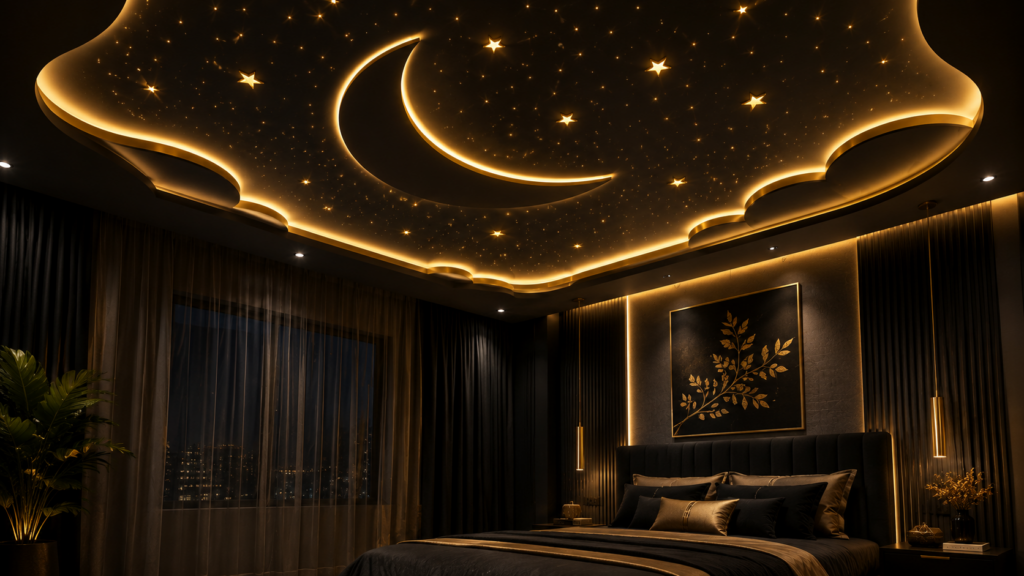
A decade ago, a ceiling in a Bangalore apartment was simply a flat white surface adorned with a solitary ceiling fan and a stark fluorescent tube light. Today, the ceiling—often referred to by interior designers as the “fifth wall”—is a masterclass in architectural engineering, ambient lighting, and smart home automation. Whether you are renovating an independent villa in Koramangala or finalizing the interiors of a brand-new high-rise in Hebbal, a beautifully executed false ceiling completely transforms the spatial dynamics of a room. It adds luxury, conceals unsightly structural flaws, and serves as the canvas for your home’s entire lighting strategy. What is a False Ceiling and Why Do You Actually Need One? A false ceiling is a secondary ceiling suspended below the original structural slab of your home, held up by a framework of metal or wood. While they are undeniably beautiful, at Luxosy, we advocate for false ceilings primarily for their immense functional benefits: Decoding False Ceiling Materials: What is Best for Bangalore? The longevity and finish of your ceiling depend entirely on the material you choose. Here is how the top contenders stack up: 1. Gypsum Board (The Luxosy Recommendation) Gypsum is the undisputed king of modern false ceilings. It comes in large, factory-manufactured sheets that are screwed into a metal frame and finished with a joint compound. 2. Plaster of Paris (POP) POP is a powder mixed with water on-site to form a paste, which is then applied over a chicken-mesh framework. 3. Wood and Veneer Wooden ceiling panels bring immense warmth, texture, and a touch of organic luxury to a space. 4. Moisture-Resistant Boards For areas prone to humidity—like kitchens and bathrooms—standard gypsum will absorb moisture and sag. We strictly use specialized MR (Moisture Resistant) boards or grid ceilings for these zones. Top False Ceiling Design Trends for 2026 At Luxosy, we design for the future. Here is what is trending in luxury Bangalore homes this year: 3 Critical Mistakes to Avoid During Installation If handled by an inexperienced local contractor, a false ceiling can ruin your room. Avoid these critical errors: The Luxosy Interior and Automation Advantage What separates a basic ceiling from a Luxosy ceiling? Intelligent Automation. As specialists in smart home integration, we don’t just build the physical ceiling; we engineer the experience. Conclusion Your ceiling is a blank canvas waiting to be transformed. Whether you want a minimalist floating island for your master bedroom or an awe-inspiring, automated lighting masterpiece for your living room, the right design will elevate your home’s luxury factor instantly. Ready to completely transform the look, feel, and functionality of your Bangalore apartment? Contact Luxosy Interior and Automation today for a bespoke design consultation, and let’s start looking up.

Blog

The Ultimate Guide to Bedroom Interior Design Trends 2026: What’s In and What’s Out for Bangalore Homes

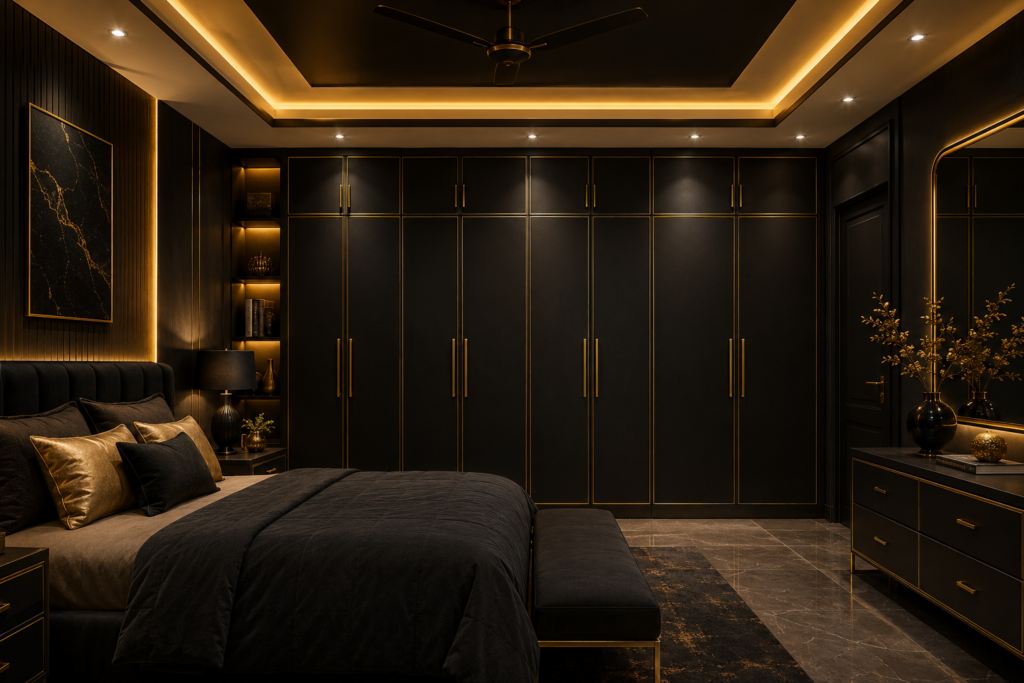
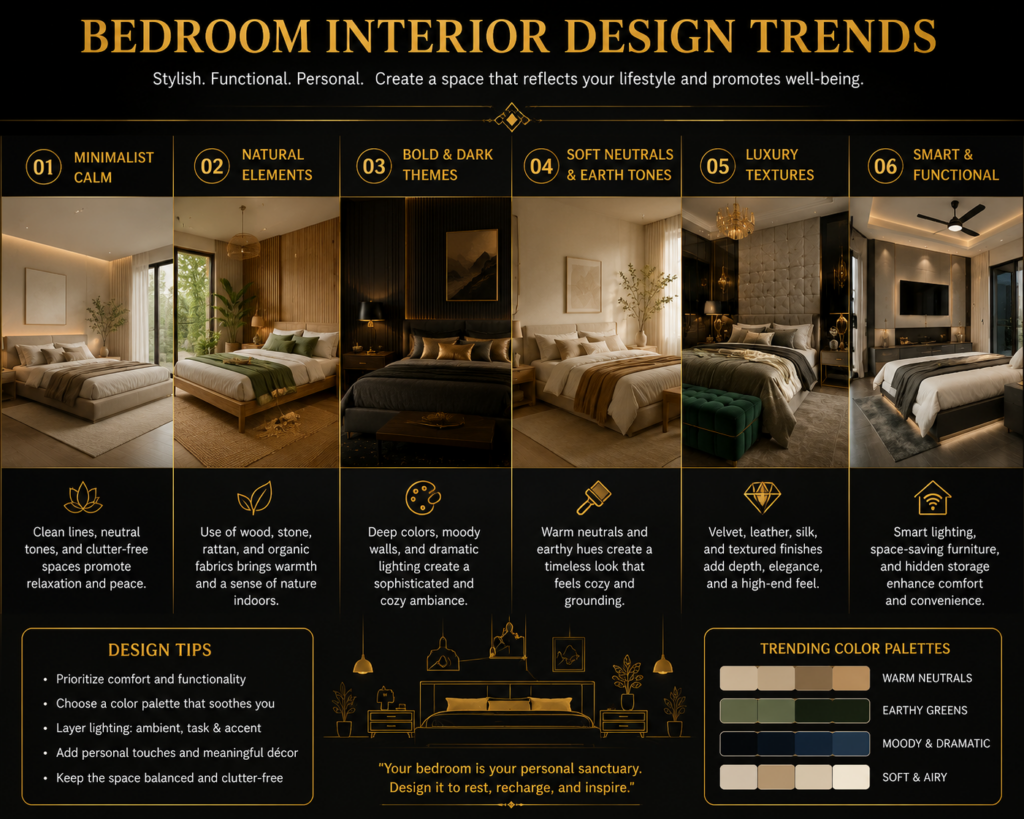
Your bedroom is profoundly more than just a place to sleep at the end of a long day. In the modern context, it is your ultimate private sanctuary—an intimate retreat where unparalleled comfort, serene calmness, and your unique personality converge. As we navigate through 2026, the interior design landscape is witnessing a beautiful, highly intentional shift. We are collectively moving away from the rigid, showroom-perfect spaces of the past and deeply embracing environments that actively support our physical and emotional well-being. At Luxosy Interior and Automation, we have transformed countless homes across Bangalore, from bustling Indiranagar high-rises to sprawling Sarjapur villas. We understand firsthand that the fast-paced energy of our city demands a home environment that offers true relaxation and grounding. This year, bedroom design is all about striking a delicate balance between modern luxury and holistic wellness. Whether your personal taste leans towards understated minimalist elegance or cozy, plush maximalism, 2026 brings an abundance of fresh, exciting inspiration. Let’s dive deep into what is defining the best bedrooms of 2026, and what design choices it is finally time to leave behind. The Core Philosophy of 2026: “Joy-First” Living Before we look at specific colors or furniture styles, it is vital to understand the philosophy driving design this year. The overarching theme for 2026 is “Joy-First” living. For years, interior design was heavily influenced by how a space would look in a photograph or to a guest. Today, the priority has shifted entirely inward. A Joy-First bedroom focuses entirely on the sensory experience: how the floor feels on your bare feet when you wake up, how the lighting mimics the natural sunset to prepare your brain for sleep, and how the acoustics of the room absorb the harsh city noises outside. We are creating digital detox zones. By blending highly tactile materials with intelligent, invisible technology, the modern bedroom acts as a buffer between you and the relentless pace of urban life. What’s In: The Defining Trends of 2026 If you are planning to upgrade your space or are moving into a new apartment, these are the key elements our design team is currently integrating into our most premium projects: 1. The “New” Neutrals Plain beige and stark, cold gray are taking a massive backseat. 2026 is defined by warm, earthy tones with subtle, grounding undertones. The trend heavily favors colors like Cloud Dancer (a soft, billowy off-white), baked terracotta, and muted sage green. These colors do more than just look pretty; they actually amplify natural sunlight during the day while creating a warm, cozy, cave-like atmosphere at night. These new neutrals serve as an ethereal canvas that pairs beautifully with tactile fabrics and warm wood grains. 2. Curved and Organic Silhouettes Harsh, rigid lines and sharp corners are officially out. We are introducing soft curves everywhere we can. Think of grand, arched upholstered headboards, perfectly rounded nightstands, and circular or organically shaped area rugs. These fluid forms mimic the natural world. Psychologically, curved lines reduce visual friction in a room, creating a naturally relaxing, uninterrupted flow that signals to your brain that it is time to unwind. 3. Biophilic and Botanical Integration The human connection to nature, known as biophilia, is stronger than ever in interior design. Instead of simply placing a single potted plant in the corner and calling it a day, 2026 integrates botanical elements directly into the architecture and decor. We are seeing a rise in digitally printed glass headboards featuring subtle leafy patterns, deep forest green accent walls, and the heavy use of rich, natural materials like woven rattan, cane, and highly breathable organic linen. 4. Tactile, Matte Finishes The sensory experience of touching your furniture is now just as important as looking at it. High-gloss, shiny laminates are being rapidly replaced by ribbed glass, matte ceramics, brushed metal hardware (like warm brass, soft gold, or copper), and boucle fabrics. These textured, matte finishes add significant visual weight to the room, making the space feel collected, deliberate, and distinctly high-end. They also have the practical benefit of hiding fingerprints and dust much better than glossy surfaces. 5. Smart, Invisible Storage In urban Bangalore homes where square footage is always at a premium, clutter is the absolute enemy of calm. The hydraulic storage bed has evolved from a luxury add-on to a strict practical necessity. We are designing custom, floor-to-ceiling wardrobes featuring dedicated, highly logical interior sections—pull-out tie racks, hidden jewelry drawers, and built-in laundry hampers. By utilizing smart storage, we remove the visual chaos from your daily routine, allowing the bedroom to remain a peaceful sanctuary. What’s Out: Trends to Leave Behind As we embrace these serene, sophisticated new styles, several older concepts are officially losing their relevance in the design world: 1. Stark, Clinical Minimalism The cold, clinical look of purely white, ultra-minimalist rooms is entirely gone. While we still hate clutter, a bedroom should feel layered, warm, and distinctly lived-in, rather than looking like a sterilized hospital wing. A room with zero texture or personality feels deeply uninviting. 2. Heavy, Matching Furniture Sets Buying a matching bed, heavy dresser, and two identical nightstands from a single catalog feels incredibly dated and lacks imagination. Today’s luxury is all about mixing materials and eras. For instance, pairing a deeply textured fabric headboard with floating walnut nightstands and a vintage reading chair creates a highly curated, personal aesthetic that cannot be replicated straight out of a box. 3. High-Gloss, Mirrored Surfaces While mirrors certainly have their place for checking your outfit or bouncing light in a dark corner, covering entire wardrobe doors in high-gloss laminates or edge-to-edge mirrors often feels loud, flashy, and visually overwhelming. Matte, soft-touch finishes are significantly more calming for a sleep environment and feel much more sophisticated. 4. Overly “Staged” Decor Beds overflowing with twenty purely decorative throw pillows that you have to toss on the floor every night are out. Design in 2026 prioritizes effortless function alongside form. A single, beautifully textured throw blanket draped at the foot of the

Blog

Why Loft Wardrobes are Non-Negotiable in Bangalore

A loft is simply the top-most storage section of your wardrobe, extending all the way to the ceiling. Here is why our design experts consider them a necessity rather than a luxury: 5 trending Loft Wardrobe Designs for Bangalore Homes in 2026 At Luxosy Interior, we don’t just build storage; we build functional art. Here are the top loft wardrobe designs dominating the premium interior market this year: 1. The Seamless Monochromatic Look Best for: Small bedrooms and minimalist aesthetics. If you want your wardrobe to blend into the room, design the main doors and the loft doors in the exact same color—preferably a light, high-LRV (Light Reflectance Value) shade like pristine white, soft beige, or dove grey. We use seamless acrylic or matte PU finishes. By matching the wardrobe color to your walls, the massive storage unit visually “disappears,” making the room feel incredibly spacious. 2. The Two-Tone Contrast Strategy Best for: Large master bedrooms and contemporary designs. A full floor-to-ceiling wardrobe in a single dark wood grain can sometimes look heavy and overwhelming. To break the visual monotony, we use a two-tone approach. For example, the main wardrobe might feature a rich walnut veneer, while the loft shutters are finished in a soft, matte white or cream. This grounds the room with warmth at eye level while keeping the ceiling area feeling light and airy. 3. Handleless Push-to-Open Lofts Best for: Modern, clutter-free luxury. Nothing ruins the sleek look of a floor-to-ceiling wardrobe faster than a chaotic cluster of handles near the ceiling. At Luxosy, we highly recommend designing loft shutters without handles. Instead, we use premium push-to-open hardware (like Hettich or Blum). You simply press the door, and it pops open. It looks incredibly clean and resembles an architectural wall panel rather than a storage box. 4. Mirrored Loft Wardrobes Best for: Compact guest rooms and narrow spaces. Mirrors are an interior designer’s best friend for small spaces. By incorporating tinted or clear mirrored shutters on your wardrobe and loft, you instantly double the visual depth of the bedroom and bounce natural sunlight across the room. It is a highly glamorous look that simultaneously solves the space issue. 5. The Integrated WFH Wardrobe Profile Best for: IT professionals and hybrid workers. With Bangalore being the IT capital, hybrid work is here to stay. We frequently design intelligent floor-to-ceiling units where the central section features a built-in study desk and hidden wire management. The lower sections house your daily clothes, while the top loft sections provide deep storage for files, books, and seasonal items, creating a complete, multifunctional wall unit. Technical Considerations: Don’t Make These Mistakes A loft wardrobe is structurally demanding. Hiring a local carpenter who uses substandard materials can lead to sagging shelves and misaligned doors within months. Here is what Luxosy does differently to ensure longevity: The Automation Edge: Lighting Your Loft What sets Luxosy Interior and Automation apart is our integration of smart technology. Deep loft spaces are notoriously dark and difficult to navigate. We integrate smart, motion-sensor LED profile lighting inside the loft cabinets. The moment you open the loft door, the interior is brilliantly illuminated in a soft, 4000K warm-white glow, making it easy to find exactly what you are looking for without turning on the main bedroom lights. Why Choose Luxosy Interior for Your Bangalore Home? Designing a floor-to-ceiling wardrobe requires exact measurements. An error of even a few millimeters means the wardrobe won’t clear the ceiling or will scrape against your false ceiling’s cove lighting. Conclusion You pay a premium for every square foot of your Bangalore apartment—you should be utilizing all of it. A beautifully designed loft wardrobe not only solves your most stressful storage problems but also acts as a stunning architectural feature that elevates your entire bedroom. Ready to clear the clutter and design a bedroom that is both luxurious and highly practical? Contact Luxosy Interior and Automation today for a bespoke design consultation, and let’s take your storage to the next level. If you live in Bangalore, you already know the real estate reality: apartments are getting more expensive, and the square footage is shrinking. Whether you have just moved into a compact 2BHK in Bellandur or a modern high-rise in Whitefield, storage is likely your biggest challenge. You have bulky travel suitcases, heavy winter quilts that you only need in December, and festive wear that takes up precious daily wardrobe space. So, where do you put it all without turning your beautiful bedroom into a cluttered storeroom? The answer lies in the most underutilized real estate in your home: the vertical space between your wardrobe and the ceiling.

Bedroom

Expert Guide: Small Bedroom Ceiling Mistakes | Luxosy Interior & Automation

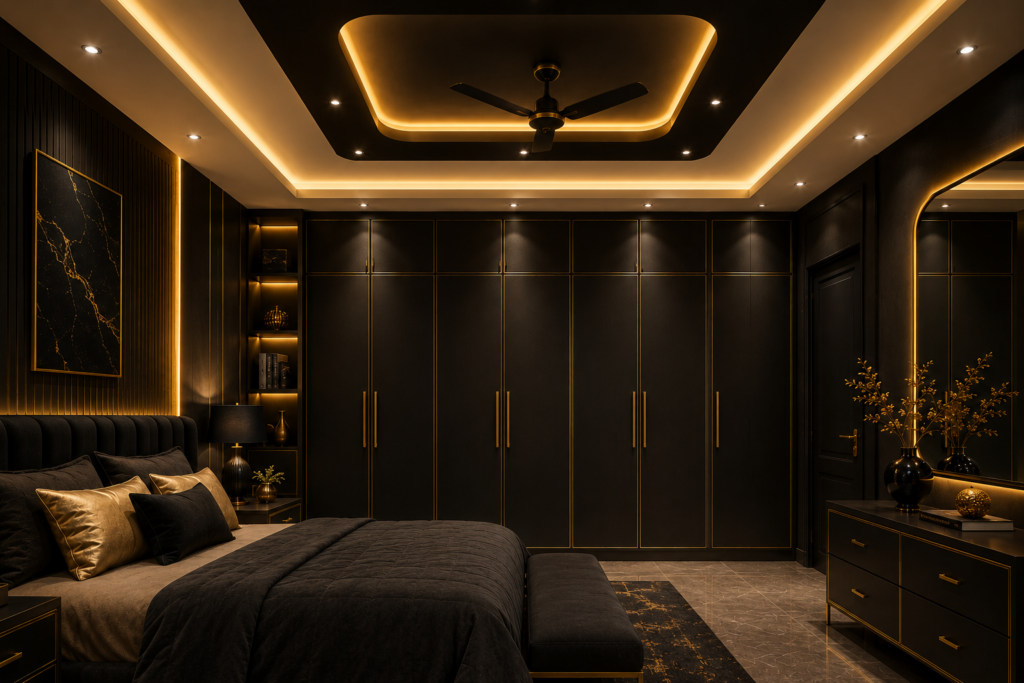
Before diving into the mistakes, it is essential to understand why the ceiling matters so much. Most modern apartment ceilings in India sit at a standard height of about 9.5 to 10 feet. A standard false ceiling, which is necessary to house concealed lighting and wiring, requires a drop of at least 4 to 6 inches to accommodate the framing. In a small room, human perception of space is highly dependent on vertical volume. When you walk into a room, your eyes naturally scan upward. If the ceiling feels low or heavy, the brain immediately registers the room as “cramped,” regardless of how little furniture is on the floor. The ultimate goal of a small bedroom ceiling should be to draw the eye upward, distribute light flawlessly without casting harsh shadows, and maintain maximum headroom. 6 Costly False Ceiling Mistakes (And the Luxosy Fix) Mistake 1: The Overly Complex, Multi-Tiered “Wedding Cake” Design One of the most frequent mistakes homeowners make is scrolling through Pinterest, finding a grand, multi-layered false ceiling designed for a sprawling 500-square-foot hotel suite, and trying to replicate it in a 12×12 foot apartment bedroom. Heavy, cascading steps, deep trays, and intricate intersecting geometric patterns carry an immense amount of “visual weight.” In a compact room, this creates a top-heavy, cluttered aesthetic that feels as though the ceiling is falling in on you. Mistake 2: Ignoring the 8.5-Foot Rule (Dropping the Ceiling Too Low) If your builder provided an original ceiling that is already on the lower side (around 9 feet), dropping the entire ceiling by 6 to 8 inches just to install recessed LED panels is a massive architectural error. It severely impacts the room’s proportions, making it feel poorly ventilated and boxy. Mistake 3: Disproportionate Fixtures and Bulky Ceiling Fans A massive, ornate chandelier or a bulky, traditional ceiling fan with a thick downrod will visually pull the ceiling downward. These large fixtures interrupt the line of sight across the ceiling plane, acting as a visual roadblock that makes the room feel incredibly tiny. Mistake 4: Choosing Dark Colors or Low-LRV Paints Dark, moody ceilings are currently a major trend in luxury interior design. However, painting a small bedroom ceiling black, deep navy, or charcoal is disastrous if the room lacks abundant, floor-to-ceiling natural light. Dark colors absorb light and visually advance toward the viewer, making the ceiling feel much lower than it actually is. Mistake 5: Using the Wrong Materials (POP vs. Gypsum) Many local contractors push for traditional Plaster of Paris (POP) applied manually on-site because it is cheaper. However, POP requires a thicker application, is prone to cracking over time, and takes weeks to dry, creating a massive mess. More importantly, it often results in an uneven finish that casts ugly shadows in a small room. Mistake 6: Poor Lighting Planning and Zero Automation Installing a beautiful false ceiling but ruining the ambiance with harsh, cool-white (6500K) LED panels connected to a standard, non-dimmable switch is a tragedy. A small bedroom serves multiple purposes—it is a place to sleep, read, dress, and sometimes work. It needs versatile lighting that can transition from a bright functional space to a relaxing sanctuary. The Luxosy Interior and Automation Advantage Designing a small bedroom requires millimeter-perfect precision and a deep understanding of spatial psychology. A local carpenter might agree to build whatever complex image you show them, regardless of whether it actually suits your specific floor plan or structural height. At Luxosy Interior and Automation, we approach ceiling design with engineering precision: Conclusion Your small apartment bedroom does not have to feel cramped, dark, or uninspiring. By avoiding heavy, tiered designs, respecting your vertical space, choosing the right reflective colors, and utilizing smart lighting automation, you can create a luxurious sanctuary that feels open, airy, and deeply relaxing. Ready to design a bedroom that maximizes every square inch of your home with cutting-edge design and technology? Contact Luxosy Interior and Automation today for a bespoke design consultation. Let’s look up to better design.

Kitchen Design

Space-Saving Dining Room Ideas for Compact Bangalore Homes

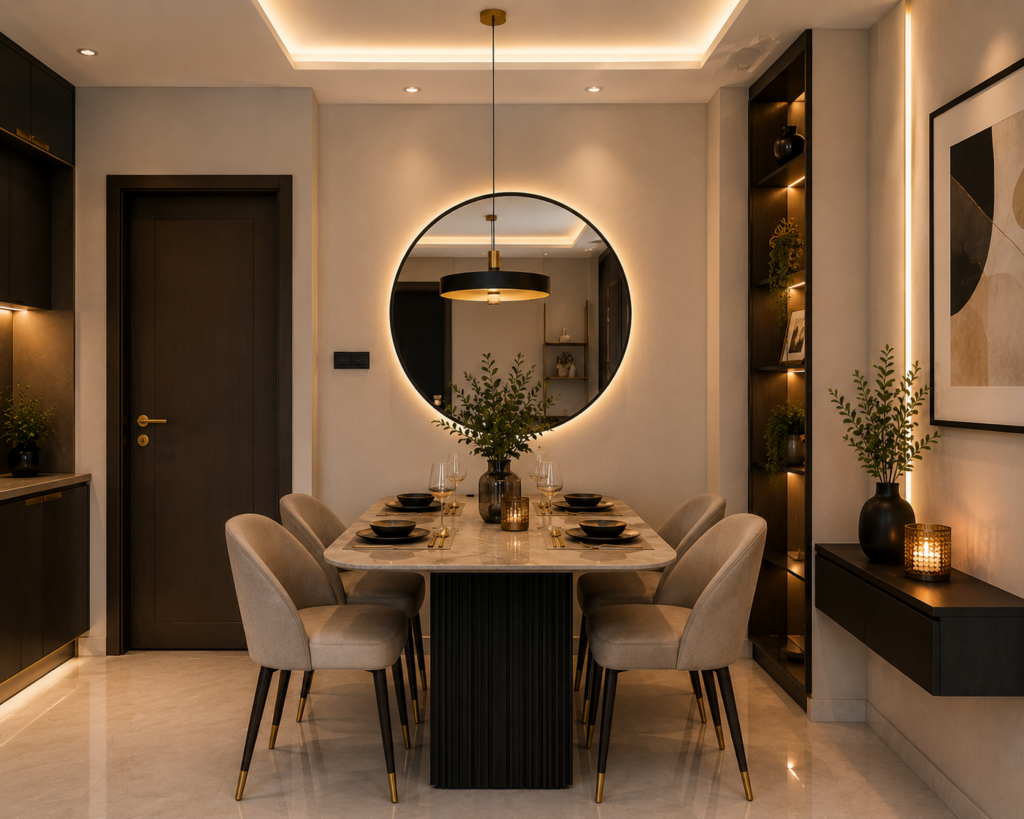
As urban living spaces become more compact, the traditional, sprawling dining room has become a luxury of the past. For homeowners in bustling metropolises like Bangalore, where high-rise 2BHK and 3BHK apartments dictate our square footage, creating a dedicated space for family meals can feel like a spatial puzzle. But a small footprint doesn’t mean you have to sacrifice style or eat dinner on the sofa every night. With intelligent spatial planning, the right furniture, and a touch of design psychology, even the tightest corner can be transformed into an elegant, functional dining area. In this expert guide, the design team at Luxosy Interior and Automation shares our proven E-E-A-T (Experience, Expertise, Authoritativeness, and Trustworthiness) backed strategies for planning the perfect dining room layout for small spaces. The Golden Rules of Small Dining Room Planning Before buying furniture or picking paint colors, you must understand the spatial mathematics of interior design. When Luxosy’s experts approach a compact floor plan, we strictly adhere to these three principles: 1. The 36-Inch Clearance Rule A common mistake homeowners make is buying a table that physically fits the space but leaves no room for human movement. You need a minimum of 36 inches (3 feet) of clearance between the edge of your dining table and the nearest wall or piece of furniture. This allows enough room for chairs to slide out and for people to walk behind seated guests comfortably. 2. Mind the “Visual Weight” In interior design, “visual weight” refers to how heavy an object looks, regardless of its actual mass. A solid, chunky wooden dining table feels heavy and clunky, making a small room feel cramped. Instead, opt for tables with slender metallic legs, glass tops, or sleek acrylic chairs. These allow light to pass through, creating an illusion of uninterrupted floor space. 3. Embrace Multi-Functionality In a compact apartment, your dining table often doubles as a work-from-home desk, a homework station, or a prep counter. Your layout must accommodate these dual purposes with smart nearby storage and appropriate task lighting. 5 Genius Dining Room Layouts for Small Spaces Depending on your apartment’s architecture, here are the top layouts our designers recommend for maximizing tight spaces: 1. The Banquette Nook (Built-in Seating) Best for: Unused corners or spaces near windows. Banquette seating (or booth seating) is an interior designer’s secret weapon for small spaces. By building a custom bench directly against the wall, you completely eliminate the need for clearance space behind the chairs on that side. 2. The Open-Plan Zone Best for: Studio apartments and seamless living-dining areas. When you don’t have a separate dining room, you have to create a “zone” within your living area. Instead of erecting physical walls, use visual dividers. 3. The Kitchen Peninsula / Breakfast Bar Best for: Narrow apartments and busy couples. If your layout allows, extending your kitchen counter to create a peninsula or a high-top breakfast bar is a brilliant space-saver. Pair it with backless bar stools that can tuck entirely underneath the counter when not in use. This layout integrates cooking, serving, and dining into one highly efficient zone, freeing up your living room entirely. 4. The Round Table Approach Best for: Square rooms and tight thoroughfares. A round pedestal table (a table with a single central base rather than four legs) is incredibly efficient. The lack of sharp corners makes it much easier to navigate around in a tight space. Furthermore, a central pedestal base means you can squeeze in an extra chair or two without guests banging their knees against table legs. 5. Foldable and Wall-Mounted Solutions Best for: Micro-apartments and spaces under 500 sq. ft. If you only need a dining space occasionally, consider a drop-leaf table or a custom wall-mounted folding table. When closed, it acts as a sleek console against the wall; when opened, it comfortably seats two to three people. Expert Styling Tips to Make Your Dining Area Look Bigger Layout is only half the battle. How you style the space dictates how large it feels. Why Choose Luxosy Interior for Your Small Space Design? Designing a compact area requires millimeter-perfect precision. A standard, off-the-shelf furniture piece will often waste valuable inches or disrupt the flow of your home. At Luxosy Interior and Automation, we specialize in bespoke, modular solutions tailored precisely to your apartment’s floor plan. Don’t let a small floor plan limit your lifestyle. A beautiful, functional dining space is entirely within reach. Contact Luxosy Interior and Automation today to book a consultation, and let’s design a space where great meals and great conversations can happen every day.

Blog

Choosing a Kitchen Interior Designer in Bangalore: An Expert Guide

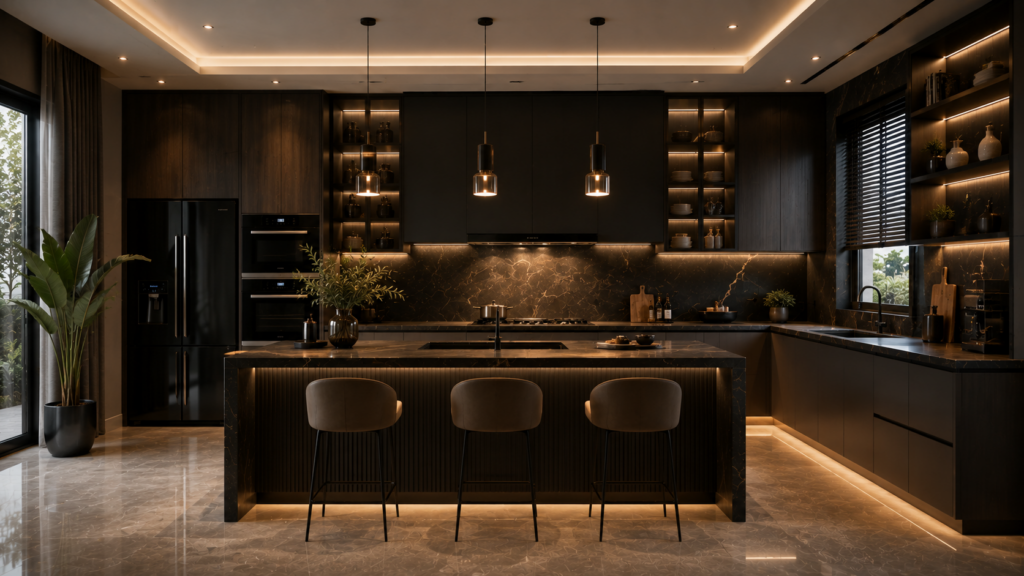
Many homeowners believe that hiring a local carpenter will save them money. However, a modern modular kitchen is an engineered product that requires precision, something traditional carpentry often fails to deliver. Here is why hiring a professional is non-negotiable for Bangalore homes: Key Factors to Consider When Choosing a Designer Don’t let glossy Instagram ads make the decision for you. Evaluate potential kitchen interior designers in Bangalore on these critical factors: 1. Material Transparency and Knowledge Your designer should be transparent about the core materials. Are they using BWP 710 grade plywood for the base cabinets? Are they using trusted hardware brands like Hettich, Blum, or Hafele? If a designer is vague about the exact grade of plywood or the brand of channels they use, walk away. 2. Design Flexibility vs. Fixed Modules Many large corporate interior brands force you to choose from pre-set modular sizes, leaving awkward gaps in your kitchen. At Luxosy Interior, we believe in bespoke design. Your designer should customize the cabinets to fit your exact floor plan, ceiling height, and cooking style. 3. Factory Finish vs. On-Site Mess A true modular kitchen is manufactured in a factory using precision CNC machines and simply assembled at your home. This ensures a flawless finish and saves your home from weeks of sawdust, noise, and chemical smells. Always ask if they have their own factory setup. 4. Integration of Smart Automation Given Bangalore’s tech-forward lifestyle, modern kitchens go beyond just woodwork. Look for a designer capable of integrating smart automation—like sensor-based cabinet lighting, automated chimneys, and leak-detection systems. How to Shortlist the Best Modular Kitchen Designer in Bangalore Follow this step-by-step approach to narrow down your options: Understanding Modular Kitchen Prices in Bangalore (2026 Estimates) One of the biggest anxieties for homeowners is the budget. Modular kitchen costs in Bangalore depend on the size, finish (Laminate, Acrylic, PU, Veneer), and the internal accessories you choose. Note: Always ask your designer if the quote includes granite/quartz countertop installation, plumbing shifts, and dado tiling, as these are often kept hidden until the end. 2026 Kitchen Design Trends specific to Namma Bengaluru When designing your space, consider these trends that are currently dominating Bangalore’s premium interior market: The Luxosy Interior and Automation Advantage Choosing between an unreliable local carpenter and a rigid, expensive national brand can be frustrating. Luxosy Interior and Automation bridges that gap for Bangalore homeowners. We bring you the precision of factory-finished modular units, the transparency of a trusted corporate brand, and the bespoke customization of a dedicated boutique designer. From selecting the perfect moisture-resistant materials to integrating smart lighting and automation, we handle the entire project end-to-end so you don’t have to lift a finger. Ready to build a kitchen that is as smart, functional, and stylish as you are? Contact Luxosy Interior and Automation today for a transparent, personalized design consultation.

Blog

The Ultimate Guide to Choosing the Best Living Room Designer in Bangalore for Luxe Interiors

Your living room is the heart of your home—it’s where you unwind after a long commute on the Outer Ring Road, host weekend get-togethers with friends, and create lasting family memories. In a fast-paced city like Bangalore, homeowners are increasingly looking for living spaces that blend modern aesthetics with absolute functionality and comfort. But here’s the challenge: with hundreds of studios, agencies, and freelancers claiming to be the “best living room interior designer in Bangalore,” how do you separate the true professionals from the rest? Hiring the wrong team can lead to budget overruns, delayed timelines, and a space that simply doesn’t reflect your personality. Whether you own a compact apartment in Whitefield or a spacious villa in Indiranagar, this comprehensive, E-E-A-T (Experience, Expertise, Authoritativeness, and Trustworthiness) backed guide by Luxosy Interior will walk you through every step of choosing a living room designer in Bangalore—from defining your vision to understanding costs and spotting red flags. Why Hiring a Professional Living Room Designer in Bangalore Matters Many homeowners debate whether they should manage their living room design themselves, hire a local carpenter, or bring in an expert. However, working with a professional interior designer offers benefits that go far beyond just picking out paint colors: Define Your Vision Before Approaching a Designer Before you start searching for the top living room designers in Bangalore, take some time to clarify your requirements. Having a clear brief will help your designer understand exactly what you need. Key Factors to Consider Before Choosing a Designer When evaluating potential designers for your Bangalore home, keep these crucial factors in mind to ensure you make an informed decision: How to Shortlist the Best Living Room Designer Bangalore Offers To make the right choice, follow this structured approach: Essential Questions to Ask Before Signing the Contract During your consultation, ask these critical questions to ensure full transparency: Understanding Living Room Interior Design Costs in Bangalore Budgeting is the most critical part of the process. In Bangalore, the cost of designing a living room varies widely based on the scope of work and the materials chosen. Key Cost Drivers: Typical Price Estimates in Bangalore (2026): Red Flags to Avoid While Choosing a Designer Top Bangalore Trends in Living Room Design for 2026 Bangalore homeowners are embracing a beautiful blend of smart technology, sustainability, and relaxed luxury: Local Carpenters vs. Branded Designers: The Luxosy Interior Advantage While local carpenters might offer flexibility in pricing, they often lack a structured design process, 3D visualization, and professional factory-level finishing. On the other hand, large, mass-market interior brands offer standardized processes but can lack deep personalization and often charge exorbitant premium markups. This is where Luxosy Interior steps in to bridge the gap. We combine the structured, professional project management, 3D visualization, and high-quality finishes of a premium brand with the deep personalization, design flexibility, and transparent pricing of a dedicated local expert. Conclusion Finding the right living room interior designer in Bangalore doesn’t have to be a guessing game. By doing your research, asking the right questions, and understanding exactly what goes into the cost, you can partner with a team that turns your vision into reality without the headache. Ready to transform your living room into a luxurious, highly functional space that you’ll love coming home to? Trust the experts who understand Bangalore homes best. Contact Luxosy Interior today to book your personalized design consultation and take the first step toward your dream home!

Interior Designers in Koramangala
Blog

8 Living Room Design Trends Defining 2026: A Shift Towards Sensory Comfort

The interior design of living room spaces is set to change considerably by 2026, taking a more human-centred approach to how we experience our space, as opposed to the sterile “grey,” all one colour approach of the past. The future of living rooms will be about creating an environment that is as emotionally connected to you as you are to your home. “Sensory Comfort”—the ability to create visually pleasing and emotionally engaging environments—is a guiding theme in designing a liveable space. Trends for 2026 will encompass various styles of living rooms, whether you’re looking for a simple, warm minimalist sanctuary or a curated maximalist retreat based on personal taste and lifestyle. These 8 living room design trends for 2026 will help you to create a home that truly represents you. Warm Minimalism : Goodbye stark white boxes, and hello warmth! Minimalism is making a comeback in 2026. Traditional minimalist style is being injected with warmth while still adhering to traditional minimalist principles. Instead of lifetime cold, the new trend embraces a dreamy warm toned pallette known as “Honey Neutrals”. The warm toned pallette of caramel, sand, and off white will replace the cool toned pallette of traditional minimalism. The tactile experience of warm textures of boucle , chenille, and the natural grain of the wooden surfaces will create inviting, cocoon-like sensations as opposed to visual emptiness. Balanced Maximalism : For all you Minimalists, there is a very exciting new trend to keep things interesting called “Balanced Maximalism”. This is not cluttered but artistically created and thoughtful collections of collectible by artists/items. Picture shelves filled with content, personal souvenirs and items from all your travels, combined together with bold coloured patterns and deep jewel tone furniture! The key here is BALANCE! The goal of this style is to create visually complete layered spaces that are rich, layered but will never feel crowded.

Interior designer in Whitefield
Bathroom Design Ideas

8 Smart and Stylish Bathroom Corner Shelf Designs for Every Home

Interior design encompasses a myriad of challenges when it comes to creating balance between style and functionality in restrooms. One of the most frequent obstacles to achieving this is finding ways to maximize the amount of space available in smaller residences. This often leaves bathrooms’ corners underutilized or empty, which allows for the possibility of transforming unused areas into a combination of stylish elegance and practicality. This is where corner shelves shine. When finding the right corner shelf system for your particular model of restroom, you are not only gaining a storage system but also an overall decorative touch to your bathroom. Corner shelves come in many styles ranging from ultra-modern to classic country and will meet most any need and/or preference one may have in terms of style or appearance. Below are some examples of how to make use of unused or wasted corner area in a way that is both smart as well as aesthetically pleasing through the installation of a corner shelf. These corner shelves will be adding some personality to your routine through our collection of 8 very well designed and functional corner shelf options. The Minimalist’s Dream: Frameless Glass Floating Shelves If you’re someone who appreciates minimalism, a frameless glass floating shelf will bring you true happiness. Because they’re made of glass, these shelves seem to disappear, making your bathroom seem larger and allowing the beautiful tile to remain prominent. As shown in the picture above, a frameless glass floating shelf can be used to display a small number of carefully-selected items, such as high-end personal hygiene products, a small potted plant, and/or rolled-up guest towels. Because there are no support brackets, a floating shelf gives the shelf a floating effect, and this is very elegant. A frameless glass floating shelf can be used in a modern, contemporary, and even a spa bathroom. It also provides storage without adding visual bulk. 2. Rustic Charm: Reclaimed Wood with Industrial Brackets Rustic wood shelves are an ideal choice for a warming, inviting style in your home. They provide a softening effect to the hard surfaces within your bathroom while providing additional texture and natural elements. When combined with industrial-style metal brackets, they create a stylish, contemporary farmhouse, or chic look. In addition to being beautiful, this type of design is also very functional. Thick wooden planks provide a solid surface that is capable of supporting heavy items — such as large jars of bath salts, multiple folded towels or baskets containing toiletries. The warm oak/wood of the shelves and the cool metallic brackets will create a striking contrast adding visual interest to your bathroom. This visual interest could become the focal point of your bathroom design. 3. Seamless Luxury: The Built-In Tiled Shower Niche A built-in shower niche can give you a truly upscale, bespoke look. Because you will integrate this feature into the wall as part of the construction or renovation process, it’s not an afterthought. By tiling your shower niche using the same materials you use on your shower walls, you achieve a luxurious, uniform storage solution that is part of the architecture of your space. As seen in the photo above, this niche also eliminates protruding shelves from your shower, giving it a less constricted appearance. All of your shower products such as shampoo, conditioner, and soap will be neatly put away in the niche rather than sitting on the floor of the shower. You may also want to consider adding a second smaller niche above the original one for bars of soap or razors too. These types of products can really help create a clean, spa-like atmosphere. Versatile and Movable: The Tiered Freestanding Stand Whether you rent or just love to switch things up, a corner shelf stand is an ideal solution for your corner area. These units can be moved easily between corners and do not require any drilling or tools to put together, so they work for both apartment living as well as permanent type living. Choose a corner storage shelf stand that has mixed materials, such as wood and metal or similarly combined materials, to create visual interest in your bathroom. Use the lower shelves for storing towels and baskets, as well as using the upper shelves for decorating or putting things like frequent use toiletries on them. In addition to serving the functional purpose of storage, they also serve as decorative furniture pieces to support your other bathroom decor. Modern Industrial: Matte Black Metal Wire Basket A matte black metal wire basket provides a sleek, modern, and highly functional option in the shower. This style is perfect when included in a contemporary bathroom having dark fixtures or slate tiles. The open wire construction also allows water to drain freely from the basket, which helps to prevent mold or mildew from building up on your products. Like many contemporary-style designs, this modern style can be installed with strong suction cups, making it an excellent option for a drill-free installation. The bold black color creates a strong contrast with lighter tiles, and enables a look that is “industrial chic,” which can enhance the overall appearance of your shower. 6. Timeless Elegance: The Classic Marble Shelf To make a bathroom environment that exudes a sense of classy style and rich life, consider the use of the timeless classic marble corner shelf (marble is an extremely durable material and can be used in your bathroom for thousands of years because it is a water-resistant material). Using just one simple polished round marble corner shelf with decorative metal bracket supports would provide an elegant design feature on your corner. As shown in the above image, these shelves are good for the display of decorative items (e.g., perfume bottles, small vase with floral arrangements, or silver tray with jewelry) and will help you have a more glamorous experience every day. 7. Boho Chic: Creative Hanging Rope Shelves If you’re looking for a more casual, relaxed, and bohemian style (which I find is perfect for